


Starting your journey with a new smile is an exciting step toward better health and confidence. If you are looking for complete lower dentures in St Catharines, understanding how to care for your new prosthetic is key to long-term success. Whether you are replacing a few teeth or a full set, knowing the basics of care ensures your investment lasts for years while keeping your mouth healthy and comfortable.
Understanding the Basics of Full Dentures
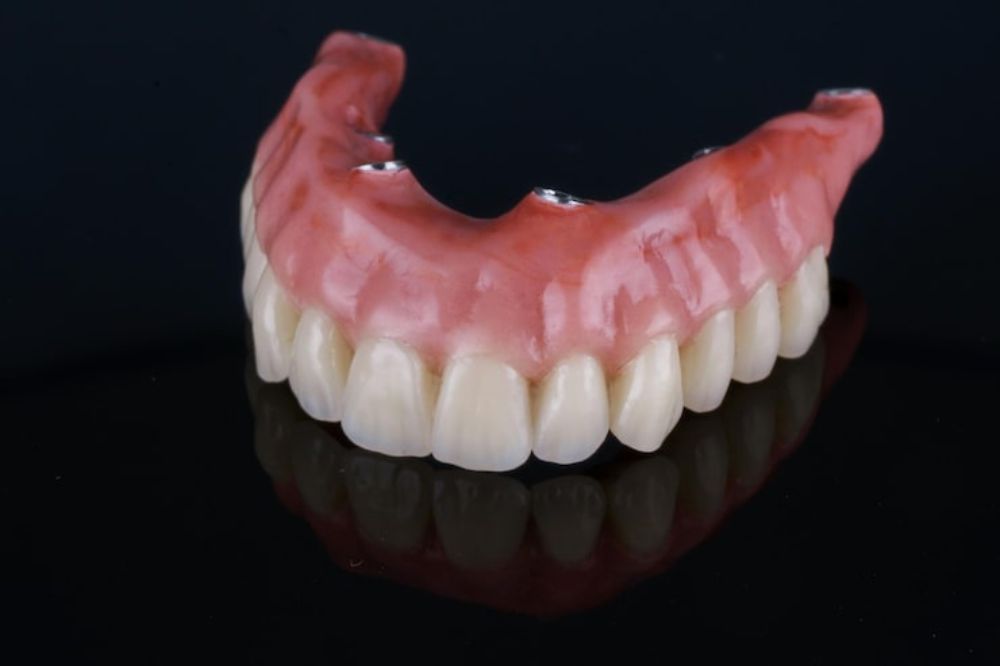
When a person loses all their natural teeth due to decay or injury, complete dentures are the most common solution. These prosthetic devices have an acrylic base that simulates gum tissue, combined with artificial porcelain or plastic teeth.
How Do Full Upper And Lower Dentures Work?
A plate that covers the roof of your mouth is a feature of upper dentures. Due to suction, a seal forms on your palate, holding it there. Lower dentures are horseshoe-shaped so that tongue space is not affected. As a result of speech and eating, the lower jaw moves more actively, causing its anchoring to rely partially on muscular control and adhesion-the pair works to give you back your ability to chew food and speak.
Comparison of Popular Types
There are different types of complete dentures available depending on your specific needs and the speed at which you need your new teeth.
| Type of Denture | Best For | Main Benefit |
| Conventional | Fully healed gums | Most accurate fit and look |
| Immediate | Right after tooth removal | You never have to go without teeth |
| Implant-Supported | Extra stability | Prevents bone loss and shifting |
Daily Care Habits
Learning how to clean and maintain full dentures properly is the most important part of your daily routine. Proper hygiene prevents stained teeth, bad breath, and gum infections.
- Rinse after eating: Remove your dentures after meals and rinse them under water to remove any loose food particles.
- Brush daily: Use a soft brush designed for tooth dentures. Do not use regular toothpaste, as it is usually too abrasive and will scratch acrylic.
- Handle with care: Dentures are fragile. When cleaning them, fill the sink with water or place a towel on the counter to prevent them from breaking if dropped.
- Clean your mouth: Even with no natural teeth, you must brush your gums, tongue, and the roof of your mouth with a soft toothbrush.
Overnight Maintenance
Your mouth needs a break from the pressure of wearing prosthetics. Taking your dentures out at night allows your gum tissues to breathe and prevents bacterial growth. Always store them in a container with water or a mild denture-soaking solution. Never use hot water, as it can warp the material, ruining the fit.
Finding Professional Support
When you need adjustments or repairs, visiting a denture clinic in St Catharines is essential. Your jawbone naturally changes shape over time, which can make your dentures feel loose or uncomfortable. Professional relining can fix these issues. If you are searching for a denture clinic near you, look for a provider that prioritizes personalized fittings and follow-up care.
Longevity and Repairs
Dentures need to be replaced every 5 to 7 years, even if you take good care of them. Look out for signs of damage, like chipping on the comb teeth or a base hat that has become much thinner. If a crack appears, don’t try to fix it with shop glue. The chemical in these glues is not safe for use in the mouth and may permanently damage your denture.
Conclusion
A bright, functional smile changes how you interact with the world. By following these simple steps, you can enjoy your favourite foods and speak with total confidence. If you notice any soreness or if your fit feels off, professional help is just a phone call away. To ensure your smile stays in perfect shape, IntraDental Denture Clinic is here to help. Please get in touch with us today to book an appointment.
Frequently Asked Questions.
How often should I see a professional for a checkup?
Visit your specialist once a year to check the fit of your dentures and ensure your oral tissues remain healthy.
Can I sleep with my dentures in?
It is best to remove them at night to give your gums rest and prevent fungal infections and bacterial buildup.
Why do my dentures feel loose lately?
Your jawbone shrinks naturally over time without tooth roots, which changes how the denture sits against your gums and bone.
What should I do if my denture breaks?
Stop wearing it immediately and contact a professional. Do not attempt home repairs; they can cause permanent damage.
How do I get rid of tough stains?
Soak your dentures in a professional cleaning solution daily and avoid dark liquids like coffee or red wine when possible.