

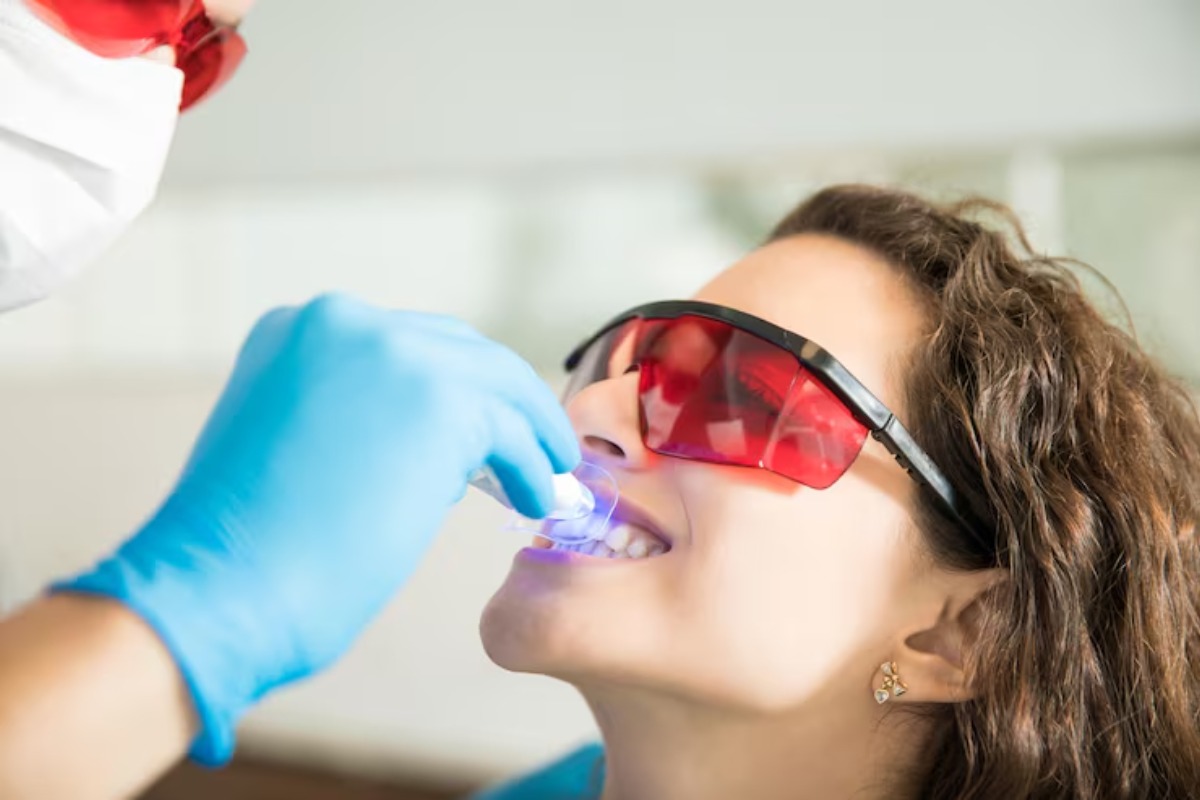
How long do teeth whitening results last? Many patients interested in Teeth Whitening in St. Catharines ask this question before treatment. Teeth Whitening can help remove stains and make teeth look brighter, but the results do not last forever. Daily habits, oral care, and the type of whitening treatment can all affect how long teeth stay white.
Understanding what affects whitening results can help patients maintain their smile longer.
How Long Does Teeth Whitening Usually Last?
The length of whitening results varies from person to person. Some patients may notice brighter teeth for several months, while others may maintain results for a year or longer.
Several factors affect the results, including:
- Food and drink choices
- Smoking or tobacco use
- Oral hygiene habits
- Natural tooth colour
- Type of whitening treatment used
Teeth naturally collect stains over time, especially when exposed to dark-coloured foods and drinks regularly.
What Causes Teeth to Become Stained Again?
Even after Whitening, teeth can slowly lose brightness because enamel continues to absorb stains.
Common causes include:
- Coffee
- Tea
- Red wine
- Dark sodas
- Tobacco products
- Poor oral hygiene
As people age, enamel also becomes thinner. This can make teeth appear darker or more yellow over time.
Does Professional Whitening Last Longer?
Patients often ask about the differences between professional and at-home teeth whitening before choosing a treatment option.
Professional whitening treatments are usually stronger than store-bought products and are completed under dental supervision.
Professional Whitening
Professional Whitening may provide:
- More noticeable results
- Faster improvement
- Customized treatment plans
- Safer monitoring for sensitivity
At-Home Whitening
At-home products may include:
- Whitening strips
- Whitening toothpaste
- Generic whitening trays
These products may help with mild stains, but results are often less dramatic and may take longer to appear.
Comparison Between Professional and At-Home Whitening
| Whitening Type | Main Features |
| Professional Whitening | Stronger products and supervised treatment |
| Whitening Strips | Mild surface stain improvement |
| Whitening Toothpaste | Helps reduce surface stains only |
| Generic Whitening Kits | Results vary depending on product use |
The professional vs at-home teeth whitening difference mainly depends on product strength, treatment customization, and the type of stains being treated.
What Habits Help Teeth Stay White Longer?
Daily habits can help prevent new stains after teeth whitening treatment.
Helpful tips include:
- Brush your teeth twice a day.
- Floss every day
- Drink water after coffee or tea.
- Avoid or limit tobacco products.
- Visit the denture clinic near you for regular cleanings.
- Use a straw for dark drinks when possible.
Good oral care helps reduce plaque and surface stains on the teeth.
Why Does Teeth Whitening Cause Sensitivity?
Some patients notice temporary sensitivity after whitening treatment. Many people ask, Why does teeth whitening cause sensitivity after the procedure?
Whitening products work by passing through the enamel to break down stain particles. During this process, the tooth may become temporarily more sensitive to temperature changes.
Sensitivity may feel like:
- Sharp feelings with cold drinks
- Mild discomfort with hot foods
- Temporary tingling in the teeth
These effects are usually temporary and often improve within a few days.
How Can Sensitivity Be Managed After Whitening?
Patients worried about sensitivity may benefit from simple aftercare steps.
Helpful ways to manage sensitivity include:
- Using Toothpaste for sensitive teeth
- Avoiding very cold foods for a short time
- Following the whitening instructions carefully
- Avoiding overuse of whitening products
A dental professional can also recommend products that help reduce discomfort if sensitivity occurs.
Do Some Teeth Whiten Better Than Others?
Not all stains respond the same way to Whitening.
Surface Stains
Surface stains caused by food, drinks, or smoking often respond better to treatment.
Deep Stains
Some deeper stains may be harder to lighten. These can be linked to:
- Aging
- Tooth injury
- Certain medications
- Natural enamel thickness
A dental examination helps determine how much whitening improvement may be possible.
Can Whitening Work on Crowns or Dentures?
Whitening products work on natural teeth but do not change the colour of:
- Crowns
- Fillings
- Veneers
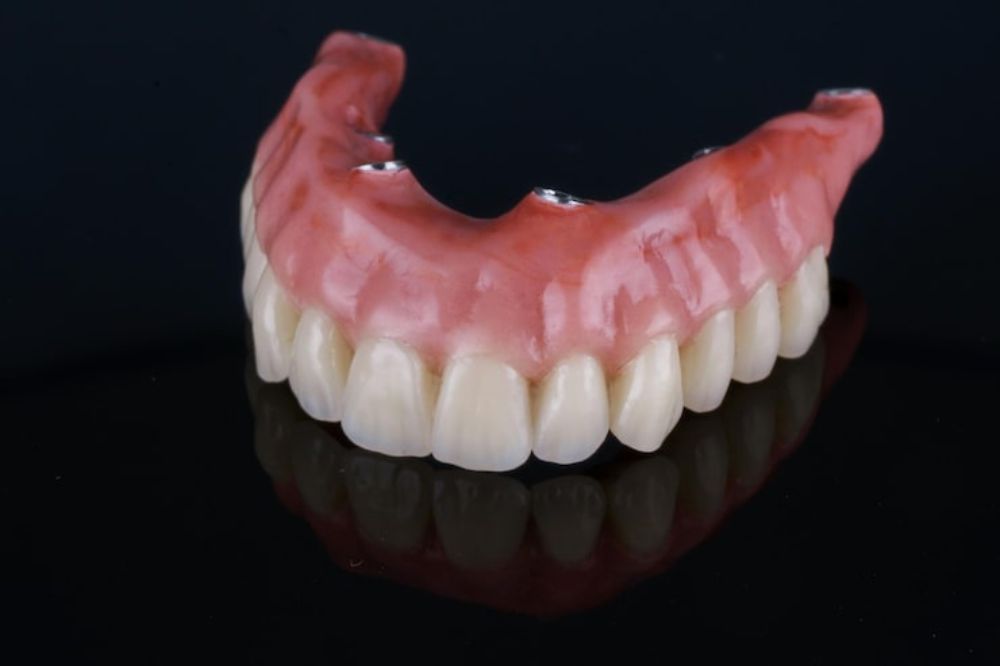
- Dentures
Patients visiting a denture clinic in St Catharines should know that dentures and dental restorations may not match newly whitened natural teeth after treatment.
A dental professional may discuss replacement or colour-matching options if needed.
How Often Can Teeth Whitening Be Done?
The timing depends on the type of treatment used and the condition of the teeth. Whitening too often may increase tooth sensitivity or irritate gums.
A dental professional can recommend a safe whitening schedule based on:
- Existing enamel condition
- Tooth sensitivity
- Type of stains
- Previous whitening history
Looking for Teeth Whitening Information and Care?
Teeth whitening results depend on daily habits, enamel condition, and the type of treatment used. Maintaining good oral hygiene and limiting stain-causing foods may help teeth stay brighter longer. Patients interested in learning more about whitening options or denture care can book an appointment with IntraDental Denture Clinic for personalized guidance and treatment recommendations.
FAQs
Why does teeth whitening cause sensitivity in some people?
Whitening products temporarily affect the tooth surface as they break down stains, which may make teeth temporarily more sensitive.
Is professional Whitening stronger than store-bought products?
Professional treatments usually use stronger whitening products and are completed under dental supervision for more controlled results.
Can Whitening remove all stains?
Some stains respond better than others. Deep internal stains may not whiten as much as surface stains.
Does smoking affect whitening results?
Yes. Smoking and tobacco products can quickly cause new stains after whitening treatment.